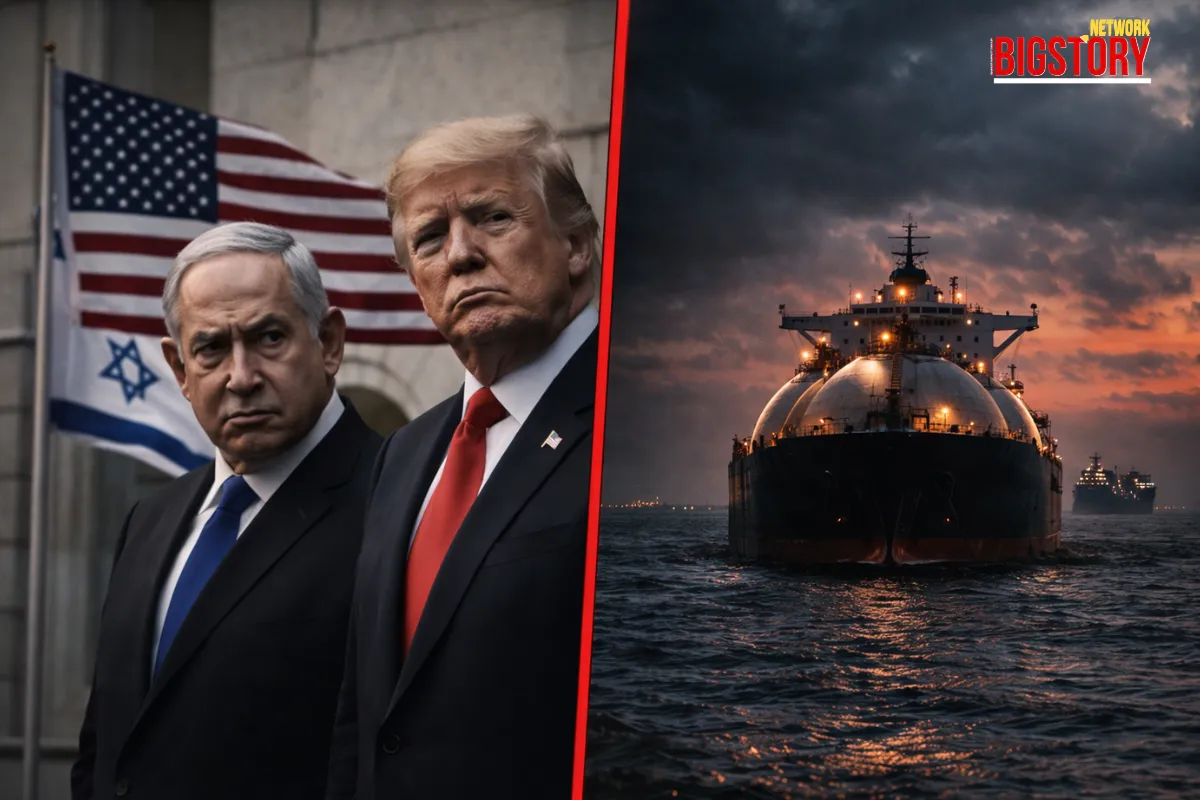
By weaponizing the world's most critical energy chokepoint, Tehran is forcing import-dependent nations to make a devastating choice between their domestic economic survival and their Western strategic alliances.
 Sseema Giill

The unprecedented iran strait of hormuz ultimatum us israel 2026 directive issued on Tuesday has shattered the illusion of geopolitical neutrality, forcing energy-dependent nations into a brutal diplomatic corner. Iran's Islamic Revolutionary Guard Corps (IRGC) announced via state television that European and Arab nations—and implicitly, non-aligned giants like India—will only be granted unhindered maritime access to the blockaded Strait of Hormuz if they formally expel diplomats representing the United States and Israel.
This is no longer just a military blockade; it is a calculated act of diplomatic extortion. By holding 20 percent of the world's daily oil shipments hostage, Tehran is stripping away the middle ground, demanding that global economies either sever their core strategic partnerships with Washington and Jerusalem or face a total collapse of their domestic energy grids.
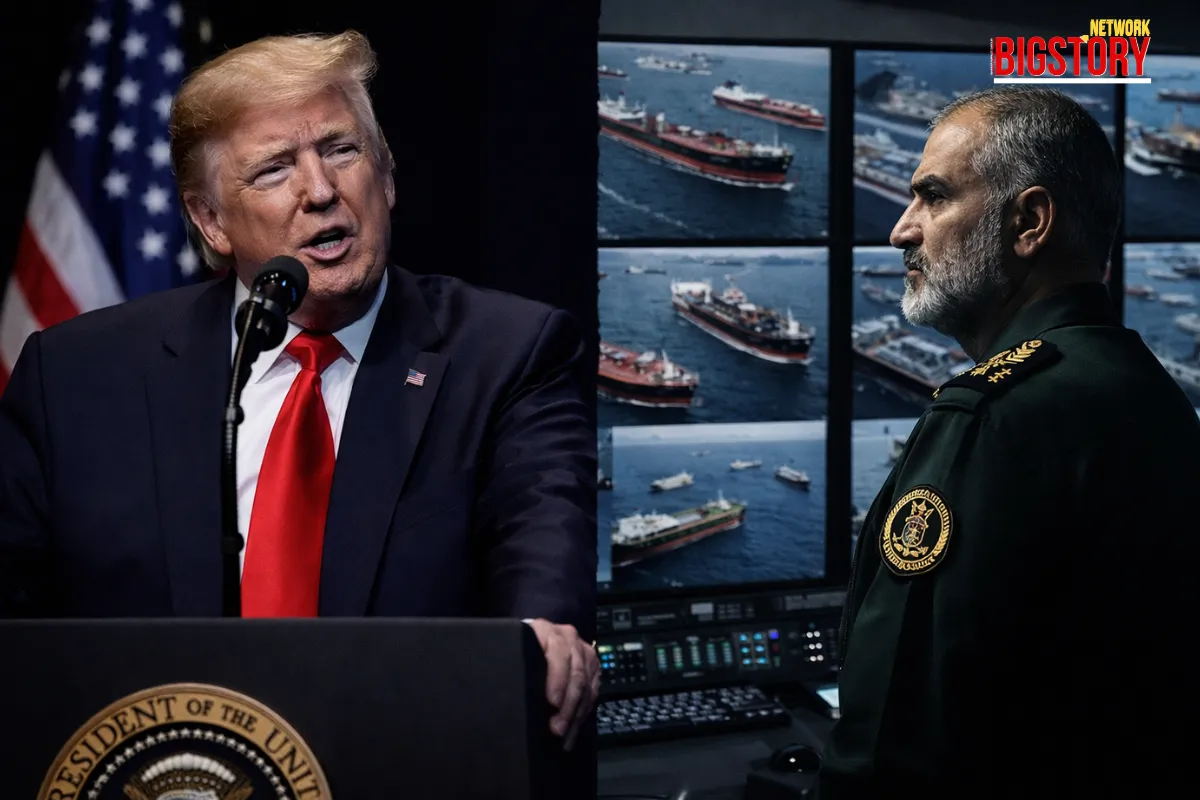
Islamic Revolutionary Guard Corps (IRGC) The Iranian paramilitary force issued the televised ultimatum. They are actively enforcing the blockade, demanding the expulsion of US and Israeli ambassadors in exchange for the safe passage of commercial energy vessels through the Persian Gulf.
Donald Trump, President of the United States Iran's diplomatic extortion play serves as a direct countermeasure to Trump's recent claims that he might unilaterally take over the Strait and his threats of massive military retaliation.
Ministry of External Affairs (MEA), India The Indian government is now forced to navigate an impossible diplomatic minefield. India relies on the Gulf for the vast majority of its hydrocarbon imports but maintains deep, foundational strategic and defense partnerships with both Washington and Jerusalem.
International outlets are treating this ultimatum as a bold, isolated geopolitical showdown between the new Supreme Leader Mojtaba Khamenei and Washington. This Western-centric focus misses the catastrophic trap waiting for New Delhi. For decades, India has successfully executed a "multi-alignment" foreign policy—buying cheap energy from adversaries while simultaneously building deep, sophisticated defense ties with the US and Israel.
Iran's binary demand shatters this balancing act overnight. India physically cannot expel American and Israeli ambassadors without destroying its core strategic partnerships, cratering foreign direct investment, and facing crippling Western sanctions. Conversely, ignoring Iran's ultimatum means Indian tankers remain blockaded in the Gulf, instantly accelerating the ongoing domestic LPG rationing crisis. With the US Navy publicly admitting it cannot currently escort commercial ships, India's 90 percent import-dependent gas supply is left entirely at the mercy of Tehran. Multi-alignment only works in peacetime; in a resource war, you have to pick a side.
If the US Navy cannot protect global shipping, and India cannot abandon its Western alliances, who is going to sail into the Persian Gulf to bring India's oil home?
News & Wire Coverage:
Official Statements & Data:
 Exclusive Content






Sign up for the Daily newsletter to get your biggest stories, handpicked for you each day.



 Trending Now! in last 24hrs